Cupboards that sit flush
Old plaster and dropped ceilings rarely run true. Carcasses get scribed on site before doors are hung, so the run closes cleanly against the wall instead of leaving a filler strip you notice every morning.
The finished piece is judged in the room it lives in, not against a catalogue photo. Here is what that looks like across the work we take on.
Old plaster and dropped ceilings rarely run true. Carcasses get scribed on site before doors are hung, so the run closes cleanly against the wall instead of leaving a filler strip you notice every morning.
A freestanding island is built to be shifted, not sealed to the floor. Walkways stay clear on both sides, the overhang clears knees, and the top is finished with an oil you can refresh yourself rather than a coating that needs a workshop.
A shopfitting counter is measured against the way a space actually runs: machine placement, till reach, cable runs hidden behind a removable panel. Heavier framing than a domestic unit, because it takes daily use.
Split tops get re-glued with matching timber inserts, not filler. Loose joints are cleaned and re-set. A thin oil and wax finish keeps the dents and water marks, because the wear is part of the piece.
Oak, ash and reclaimed Oregon pine are the main stocks, and the running list on the site shows what is on hand before you commit. It saves a conversation about a board that was never going to be there.
Most jobs start with a site visit across Gauteng, so the outcome is set by the space and how it is lived or worked in. Three cabinetmakers split the bench time, which is why the details get checked twice.
If you want to see how a commission moves from first measurement to finished piece, the working process is set out step by step. The full list of work covers cupboards, islands, counters and restoration in more detail.
Five kinds of work come off the bench most often. Each one ends in something you use in a room, not a drawing of it.
Most jobs start with a site visit somewhere in Gauteng, so the result is measured against the actual wall, ceiling and floor you live with. Timber is usually oak, ash or reclaimed Oregon pine, and the finish is chosen to suit how the piece gets used.
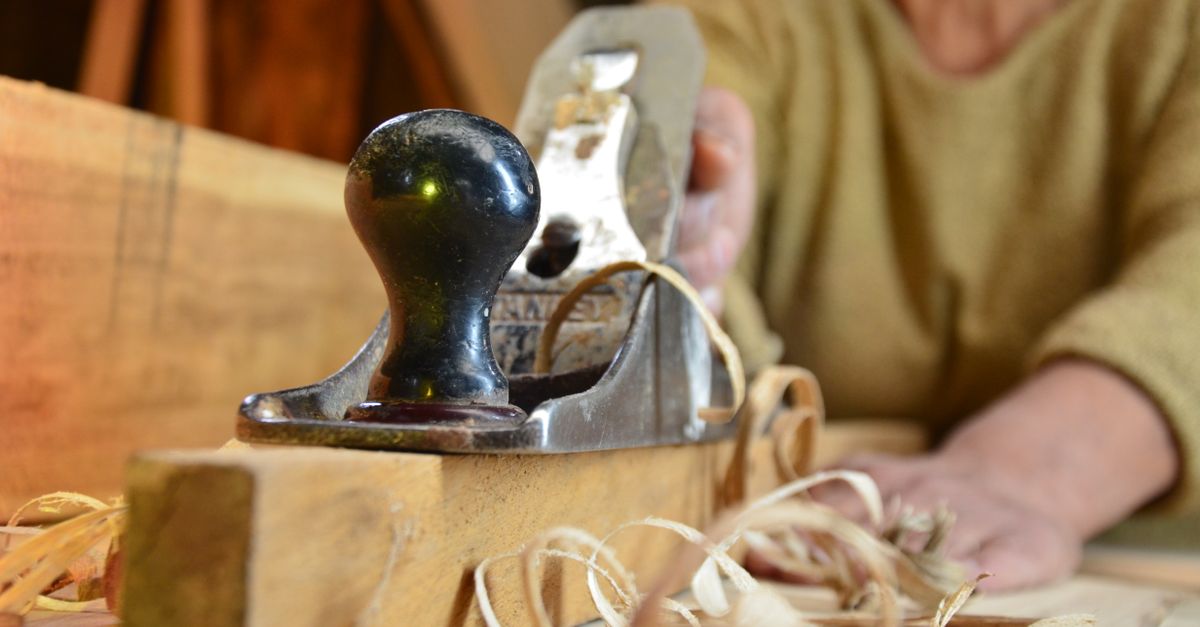
Bedroom and passage runs scribed to uneven plaster and sloped ceilings, so the carcass sits flush and the doors close without gaps. Solid frames, internal shelving in reclaimed pine, hardwax oil rather than a heavy lacquer.
Freestanding units that still move if the layout changes. Sized to leave a clear walkway on both sides, with a laminated block top and enough overhang that knees clear the frame when someone sits down.
Service counters for retail and hospitality, built heavier than a domestic unit and routed for cable runs behind a removable panel. Timber front, working top that takes daily trade, no exposed wiring on the customer side.
Older solid-wood pieces taken apart, cleaned and rejoined rather than replaced. Splits get matching timber inserts, and the finish stays thin so dents and water marks from years of use are still visible.
Three hours at the bench for six beginners, working on offcuts from current commissions. Sharpening a plane iron, sawing to a line, and a small joint you take home. No experience needed; closed shoes and tied-back hair, please.
Not sure which of these fits your job? The service list breaks the same work down by task, and the process page covers what happens between the site visit and the bench.
A few points come up often enough that they are worth settling before a commission starts. These are the working definitions we use at the bench, so that a finished piece is judged against the room it goes into rather than a catalogue photo.
Built-in cupboards are scribed to the plaster, ceiling line and floor as they are found on site. Uneven walls, dropped ceilings and out-of-square corners are part of the job, not a defect to be hidden. If a wall moves after installation, the cupboard will follow it.
A kitchen island is built to be moved, so it is not fixed to the floor or wall. That means it can be repositioned later, but it also means it will not carry the same load as a fitted run and should not be treated as a structural element.
On inherited solid-wood furniture we repair joints and renew the finish. Dents, water marks and old repairs are left visible unless you ask otherwise. Restoration is not the same as refinishing to a factory-flat surface, and we will say so before starting.
We work mainly in oak, ash and reclaimed Oregon pine. Reclaimed stock varies in width, colour and old nail marks, so two pieces from the same board run will not match exactly. The running stock list shows what is available before you book.
A site visit across Gauteng is a measuring and condition check, not a delivery or installation slot. It tells us what the room will accept. Installation is arranged separately once the piece is finished at the bench.
Hand-tool sessions run on Saturday mornings and stay at six people so everyone gets time at the sharpening stone. The timber used is offcuts from current commissions, so the material changes from week to week and is not a fixed kit.
If any of these points change how you want a piece built, raise it before the first cut. It is far easier to adjust a drawing than a glued-up carcass.
The outcome is measured against the space it lands in, not a catalogue page. Here are a few pieces of work from the bench, with the detail that actually decided how each one was built.
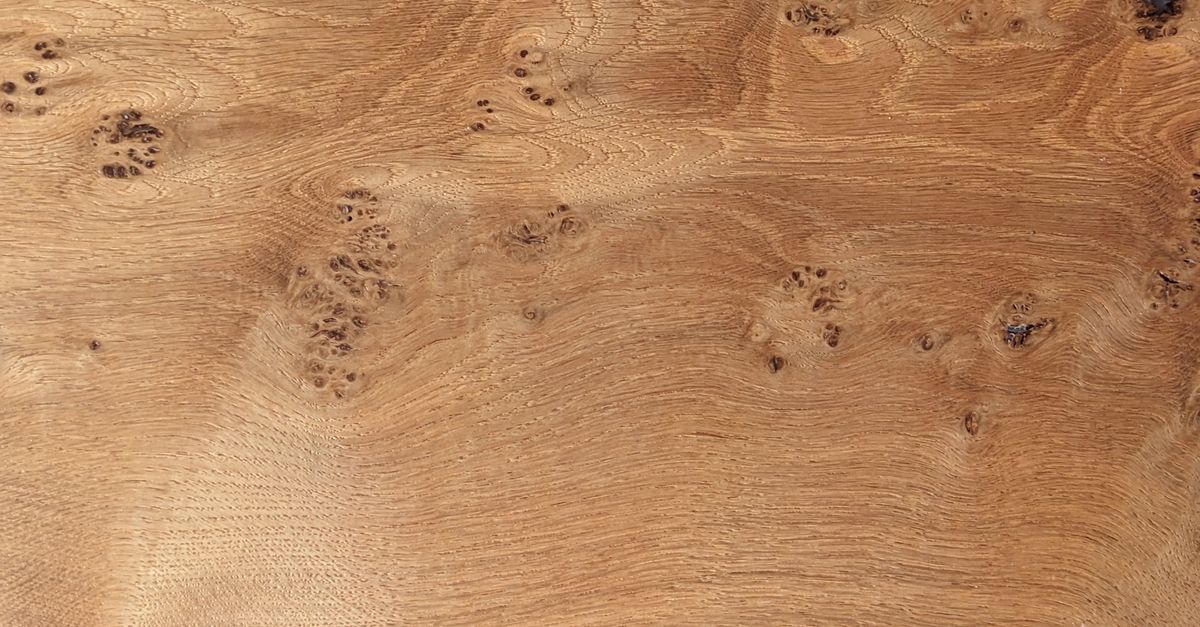
The ceiling dropped nearly 200 mm along one wall, so each carcass was scribed on site before the doors went on. Solid oak frames, reclaimed Oregon pine shelves inside, hardwax oil instead of lacquer.
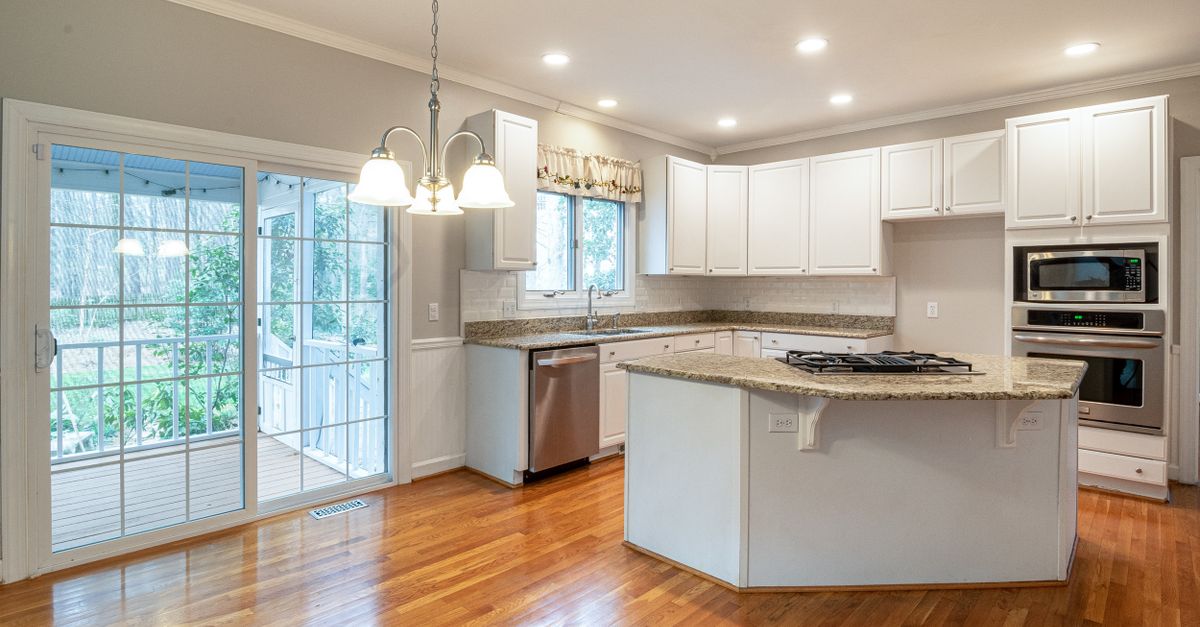
A working island, not a showpiece. Laminated ash block top with a food-safe oil the owner can refresh, open ends for trays, and a 300 mm overhang so knees clear the frame when seated.

Built heavier than a domestic unit to carry a commercial machine and a till. Stainless over ply on top, oiled oak front, cable channels routed through the back legs behind a removable panel.
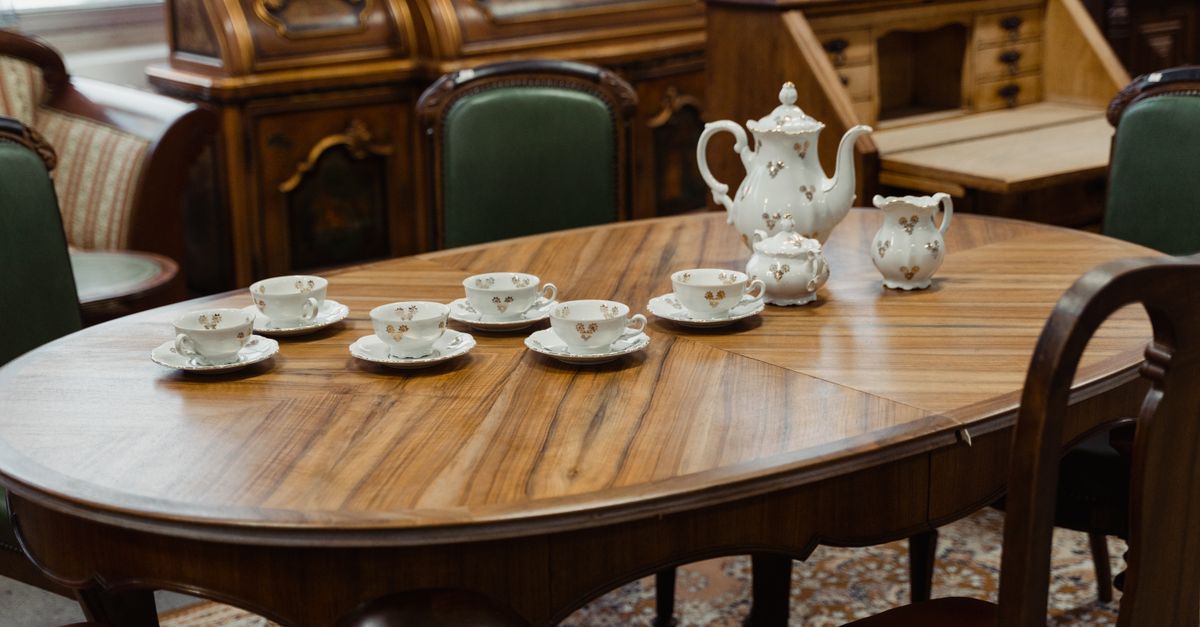
Split along a glue line, two legs repaired badly years before. Re-glued with matching pine inserts rather than epoxy, then oiled and waxed. The dents and water marks stay where they are.
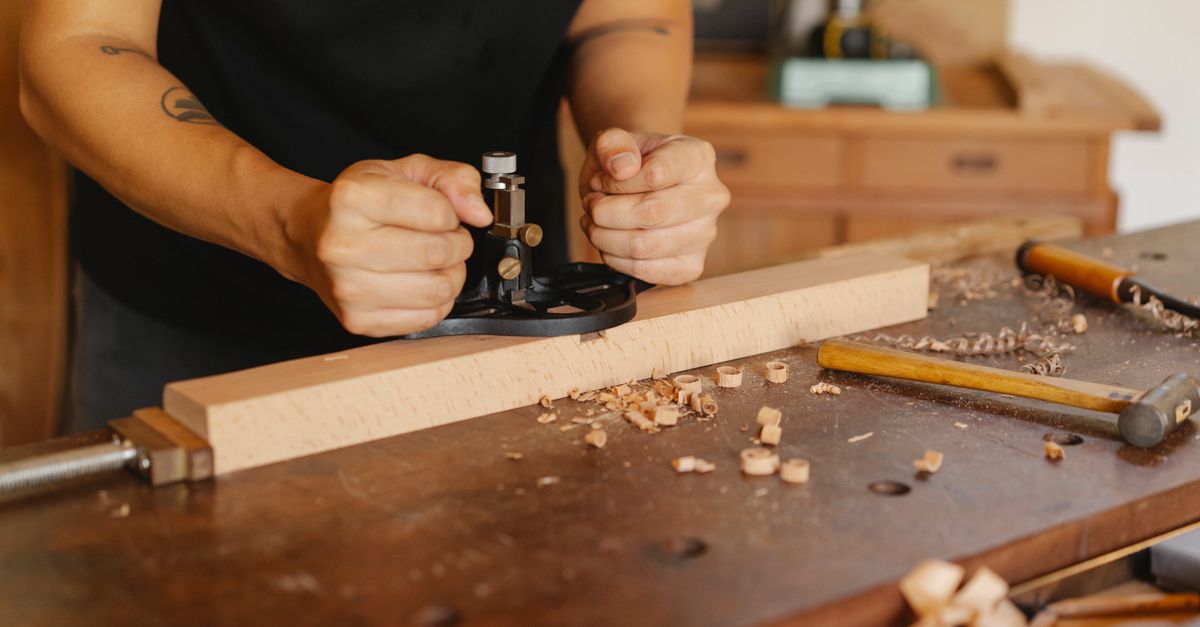
Three hours at the bench for six people. Sharpening a plane iron, sawing to a line, then a small joint to take home. The timber is offcuts from current commissions, so it changes week to week.
We use a small amount of local storage to remember how you responded to this notice. It keeps the banner from appearing on every page you open. Nothing is shared with third parties, and you can change your mind later by clearing your browser data.
Read the full details in our privacy policy.