A useful first message is short and specific. Tell us what the piece or space is, roughly how big it is, and what condition the timber is in. If it is a restoration, a couple of photos of the joints and the worn edges help more than a long description. If it is a fitted cupboard or a counter, note the wall or floor it has to sit against, since uneven surfaces usually decide how the carcass gets built.
Mention the timber direction if you already have one. Oak, ash and reclaimed Oregon pine all behave differently at the bench, and knowing your preference early saves a round of questions. If you have not decided, that is fine too. We keep a running stock list on the site, so you can see what is on hand before booking anything.
Prefer to write directly? Email hello@tycooncorporation.com or call +27 87 482 4501. The workshop address is The Woodlands Office Park, Building 14, 20 Woodlands Drive, Woodmead, Johannesburg, 2191, South Africa.
A commission moves through the same stations whether it is a fitted cupboard run or a single inherited table. Knowing what happens at each one makes it easier to plan around the workshop, your space and your own decisions.
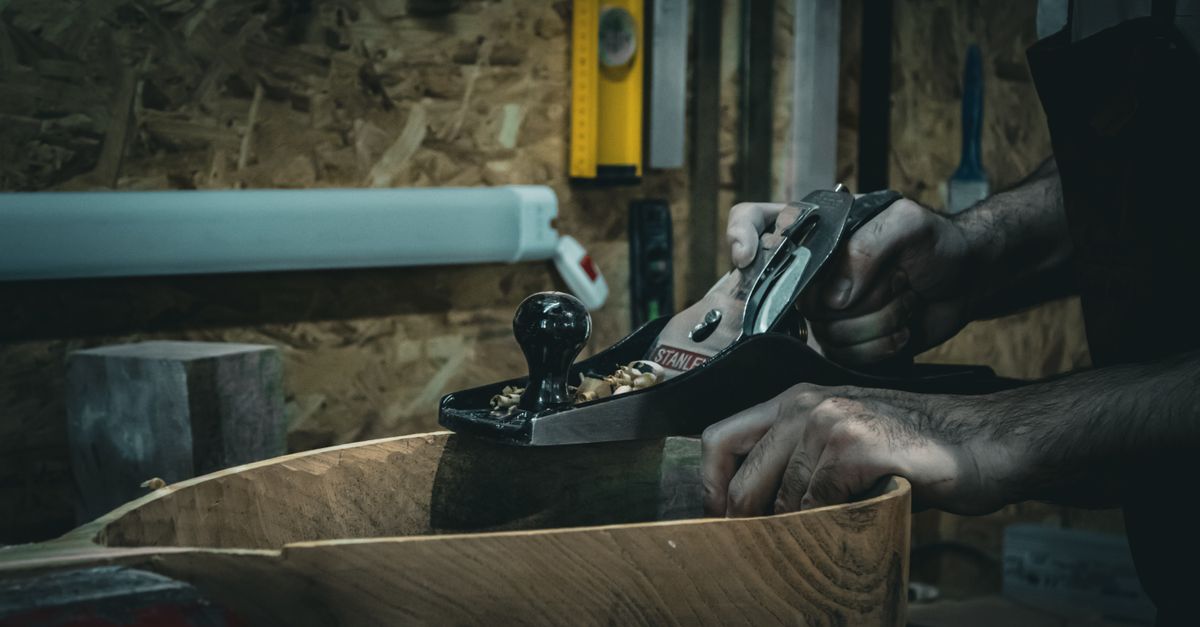
Most jobs open with a site visit somewhere in Gauteng. The three cabinetmakers check wall angles, ceiling drops and how the piece will actually be used before anything is cut. You get a clear picture of what the space allows.
Oak, ash and reclaimed Oregon pine are chosen from the running stock list before milling starts. You know which boards are going into your piece, and the grain direction is settled at the bench rather than after delivery.
A built-in cupboard, a kitchen island and a shopfitting counter all pass through measure, select, mill, joint and finish. Nothing is outsourced to a second workshop, so the joinery decisions stay consistent from first cut to final fit.
Older solid-wood furniture is repaired rather than replaced where the structure allows. Split tops are rejoined with matching inserts, and finishes are kept thin so dents and wear stay visible instead of being sanded away.
Production runs and one-off commissions sit on the same schedule, so a short batch of counters or a single island is not pushed to a separate queue. That keeps the sequence predictable for you.
Grain and joinery choices are shown while the piece is still on the bench, not after. If a board reads differently than expected, there is still room to change direction before the finish goes on.
Want the reasoning behind each station? Read the working method or get in touch about a commission.
A commission rarely starts with a drawing. It usually starts with a message, a rough measurement and a question about whether the piece is worth repairing or building fresh. From there we decide together whether the job needs a site visit somewhere in Gauteng, or whether photos and dimensions are enough to move straight to the bench.
If you are not sure which route fits, describe the space or the piece and we will tell you honestly what the next step looks like. No account, no upload portal, no queue number.
Fitted work, islands and counters usually need someone at the space first. We measure, check light and look at how the piece will actually be used before any timber is cut.
For inherited solid-wood furniture, send a few clear photos of the joints, the top and any old repairs. That is often enough to say whether we rejoint or rebuild.
Six places per session. Ask about the next available morning by email or phone, and mention whether you have used hand tools before.
Timber availability shifts as commissions move through the bench, so it helps to check the current stock list before booking a visit. You can also read more about how we work and what we keep on hand in Resources, or reach us directly through Contact.
There is no fixed calendar here. A job moves forward when the previous step is settled, and the client stays part of that sequence from the first measurement to the last coat of oil.
Most work starts somewhere in Gauteng, at the space itself. We measure the opening or the room, check how light falls across it, and ask how the piece will actually be used day to day. Uneven walls, dropped ceilings and old brick get noted here, because they decide how the carcass is scribed later.
Back at the bench, the board comes off the running stock list. Oak, ash or reclaimed Oregon pine, depending on the job and what is on hand that week. Clients see the actual planks before anything is cut, so the grain and the colour are agreed on rather than assumed.
Rough stock is squared, thicknessed and cut to size. Joints are marked and cut by hand where the piece calls for it, and dry-fitted before any glue goes near the work. This is the slowest part of the sequence, and the part that decides whether the finished piece stays tight over the years.
Once the frame is together, surfaces are planed, scraped and sanded back, then finished with oil or wax rather than a heavy lacquer. A built-in cupboard, a kitchen island and a shopfitting counter all pass through the same bench sequence, and small production runs share that time with one-off commissions.
Fitted work goes back to site for final scribing and hanging, while freestanding pieces and restored furniture are collected from the workshop. We walk through the joinery decisions with you at that point, and leave notes on how to refresh the finish at home.
Restoration work follows the same order, with one difference: the original surface is treated as something to keep, not remove. Old joints are cleaned and re-glued, and worn edges stay where they are.
Nothing here is hidden behind a sales desk. You talk to the people who will actually cut the timber, and you see the material decisions as they happen rather than after the fact.
Send the rough dimensions, the condition of what is there now, and how you expect to use it. A photo of the room or the old table helps more than a long description. If you already know you want oak, ash or reclaimed Oregon pine, say so; if not, that gets settled later.
For fitted work, someone comes out to measure properly. Walls are rarely square and ceilings drop, so the numbers taken on site are the ones that matter. We look at light, door swings and where the piece will be used before anything is drawn up.
The running stock list on the site shows what is on the racks right now. You can pick a species and see the boards before committing, which matters most with reclaimed Oregon pine, where every length carries its own history and defects.
Rough boards get squared, thicknessed and jointed by hand where the grain calls for it. This is the slow part, and it is where a piece either holds its shape for years or starts moving in the first winter. You are welcome to see the joinery decisions as they are made.
Oil, wax or hardwax depends on how the surface will be treated in daily use. A kitchen island takes a different finish to an inherited dining table you want left with its dents. We explain what each finish needs from you afterwards, then arrange collection or fitting.
A built-in cupboard, a shopfitting counter and a restoration job all pass through the same sequence. Small production runs are slotted between commissions, so the order of work depends on what is already on the bench when your timber is ready.
If you want the fuller picture of how the studio works, the method behind each stage is set out in more detail, and the list of work we take on shows where restoration sits alongside new commissions.
We use a small amount of local storage to remember how you responded to this notice. It keeps the banner from appearing on every page you open. Nothing is shared with third parties, and you can change your mind later by clearing your browser data.
Read the full details in our privacy policy.