What the timber decides before we do

Our principles are not written on a wall. They come out of the bench, the grain and the pieces clients bring in already carrying someone else's history.

Oak, ash and reclaimed Oregon pine each behave differently under a plane. One cuts clean and holds a crisp edge, another moves more with the seasons, and the third arrives with nail holes and old paint that shape what the finished piece can honestly be. We let those differences lead the joinery instead of sanding everything into the same flat look.

Tycoon Workshop: values
  • Material first, finish second

    We pick the board before we pick the detail. Grain direction, density and how a species takes oil decide the joint, the panel width and how the surface will age in a working room.

  • Repair before replacement

    Inherited solid-wood furniture gets assessed for what can be kept. Loose joints are cleaned and re-glued, splits are closed with matching timber, and worn surfaces are left alone where the wear is part of the piece.

  • Stock you can see

    A running stock list sits on the site so you know which boards are actually on the rack. It keeps expectations grounded and saves a conversation about timber that is not there.

  • Hand skills kept sharp

    Saturday morning hand-tool sessions stay capped at six people. Beginners work on real offcuts, learn to sharpen and plane, and leave with a small joint they made themselves.

None of this is a slogan. It is simply how three cabinetmakers keep the work consistent when commissions and small production runs share the same bench. If you want to see how that plays out in practice, the process and the service list show the same thinking from a different angle.

How the timber sets the order of work

Nothing here runs on a fixed calendar. What moves a job forward is the material in front of us, and that changes the sequence more than any schedule does.

Stock first, booking second

Oak, ash and reclaimed Oregon pine each behave differently on the bench, so we keep a running stock list visible before anyone commits to a slot. Clients see what is actually on the rack, not a catalogue of finishes. If the board you want is not there, the conversation starts with what is.

Grain decides the joint

We do not force one finish across a whole commission. A dense ash top wants a different edge treatment than a soft reclaimed pine panel, and the joinery follows that. Three cabinetmakers, three sets of hands, but the same rule: read the board before you cut it.

Repair before replacement

Inherited solid-wood furniture gets assessed for what can be kept, re-jointed or re-finished before anything is swapped out. Wear marks stay. A split top is re-glued with matching timber rather than filled flat. Replacement is the last option, not the first.

Hand skills stay at the centre

Saturday morning hand-tool sessions for beginners are capped at six people, which keeps everyone at the sharpening stone long enough to actually learn something. The timber is offcuts from current commissions, so the material shifts week to week. The point is close attention to grain, not speed.

What that means for a commission

A material-first stance is slower in places and more honest in others. It means we sometimes ask a client to wait for the right board, and it means a restored piece keeps its history instead of looking new. That trade is the whole point of the bench.

No partner list, and that is deliberate

We would rather show you the timber than a wall of other people's logos.

Plenty of workshops fill a page like this with supplier marks, brand badges and a row of names that suggest a network. We do not have that to show, so we are not going to invent it. Tycoon Workshop is three cabinetmakers at a bench in Johannesburg, and the relationships that actually shape the work are with the material itself, not with companies we could print side by side.

The timber sets the terms

Oak, ash and reclaimed Oregon pine each behave differently under a plane. Grain direction, density and how a board moves after milling decide how a joint gets cut. We follow that instead of forcing every commission into the same finish.

Repair before replacement

When someone brings in a solid-wood piece they inherited, the first question is what can be kept. Loose joints get cleaned and re-glued, split tops get matched inserts, and worn surfaces often stay worn. Throwing out good timber to sell a new table is not the trade we want to be in.

Hand skills stay visible

The Saturday morning hand-tool sessions for beginners, capped at six people, come from the same place. Sharpening a plane iron and sawing to a line are not nostalgia here. They are how you learn to read grain closely enough to make a sound decision on a real job.

What we can actually point you to

Instead of a partner wall, the running stock list shows which boards are on the rack right now, before anyone commits to a booking. Current commissions show how those materials end up in a finished piece. If you want to see whether a particular timber suits your project, that is a conversation at the bench, not a logo on a page.

Why the timber decides first

Three cabinetmakers, one bench, and a habit of asking what the wood wants before drawing anything.

Tycoon Workshop started as a shared bench in Johannesburg rather than a business plan. Three cabinetmakers kept running into the same problem: clients were being sold new furniture when the piece they already owned was still sound. So the studio settled on a simple order of operations. Look at the material, then decide what to build or what to keep.

That is why oak, ash and reclaimed Oregon pine sit at the centre of how work is planned here. Each one behaves differently under a plane, takes a finish differently, and ages at its own pace. The grain is not decoration added at the end. It sets the joints, the thicknesses and the surface.
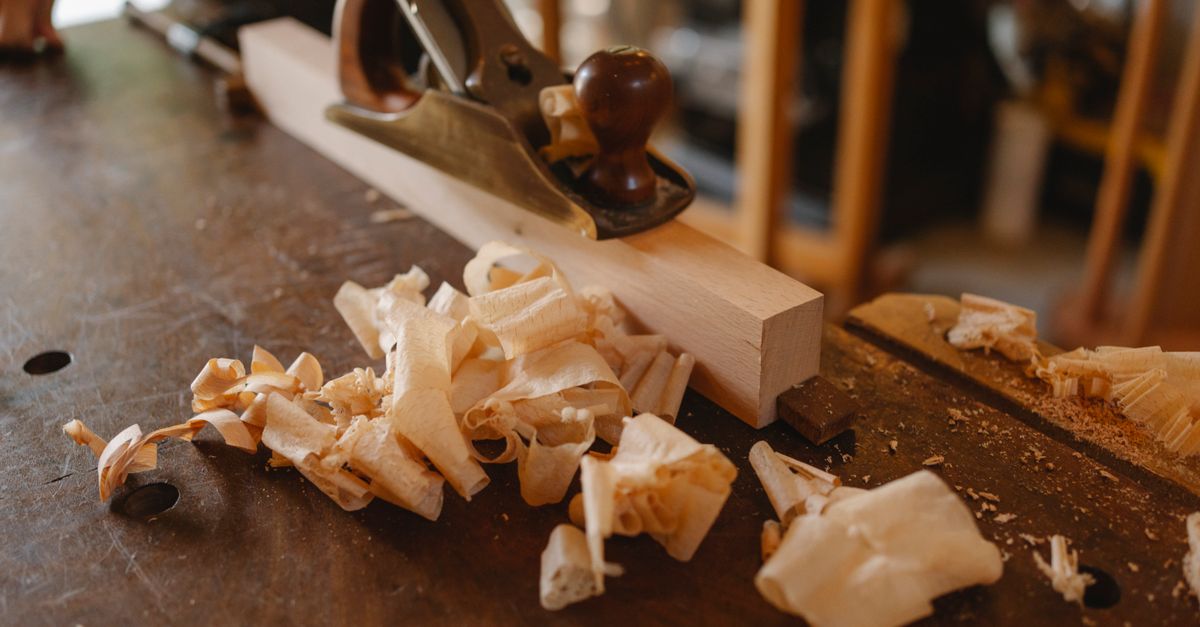
Material honesty

A finish should show what the board actually is. Hardwax oil and thin wax let oak and ash keep their open grain instead of burying it under a heavy film. Where a board has a knot or a colour shift, that stays visible.

Repair before replacement

Inherited solid-wood furniture gets assessed for what can be kept, re-jointed or re-finished before anyone talks about a new piece. Loose legs, split tops and old bad repairs are usually fixable, and the wear on the surface is often worth keeping.

Stock you can see

The running stock list exists so clients know which boards are actually on the rack before a booking is made. It keeps the conversation about real timber rather than a catalogue of finishes.

Hand skills, kept sharp

Saturday morning hand-tool sessions for beginners, capped at six people, come from the same stance. Sharpening a plane iron and sawing to a line still matter here, and passing that on keeps attention on the grain rather than the machine.

Why the bench comes before the brief

A joinery studio is only as honest as the timber it keeps on the rack.

Tycoon Workshop exists because three cabinetmakers in Johannesburg wanted to work the way the material asks them to. Not every commission fits a catalogue. Oak planes cleanly and holds a crisp edge, ash bends and takes a lighter tone, and reclaimed Oregon pine arrives with nail holes and old paint that have to be read before anything is cut. Those differences decide how a piece is jointed, how it is finished, and sometimes whether a project should be built at all.

That is the principle behind the studio: let the board lead. We keep a running stock list so clients can see what timber is actually on hand before a booking is made, rather than promising a species that has to be ordered and guessed at. It is a slower way to start a job, and it saves arguments later.

Repair before replacement

Solid-wood furniture that gets handed down is usually worth more than the cost of a new flat-pack equivalent. We assess what can be kept, re-jointed or re-finished before anyone talks about building a replacement.

Material honesty

Oiled oak and ash are left to age and darken instead of being sealed under a uniform lacquer. Wear marks, grain movement and small repairs stay visible, because hiding them rarely improves the piece.

Hand skills kept sharp

Saturday morning hand-tool sessions for beginners, capped at six people, keep planing, sawing and sharpening at the centre of how the studio works. Teaching is part of the practice, not a side line.

None of this is a claim about being the only workshop that works this way. It is simply the position the three of us took when we set up the benches: choose the timber first, keep the tools in condition, and treat an inherited table as something to be understood rather than replaced.

A note about your visit

We use a small amount of local storage to remember how you responded to this notice. It keeps the banner from appearing on every page you open. Nothing is shared with third parties, and you can change your mind later by clearing your browser data.

Read the full details in our privacy policy.